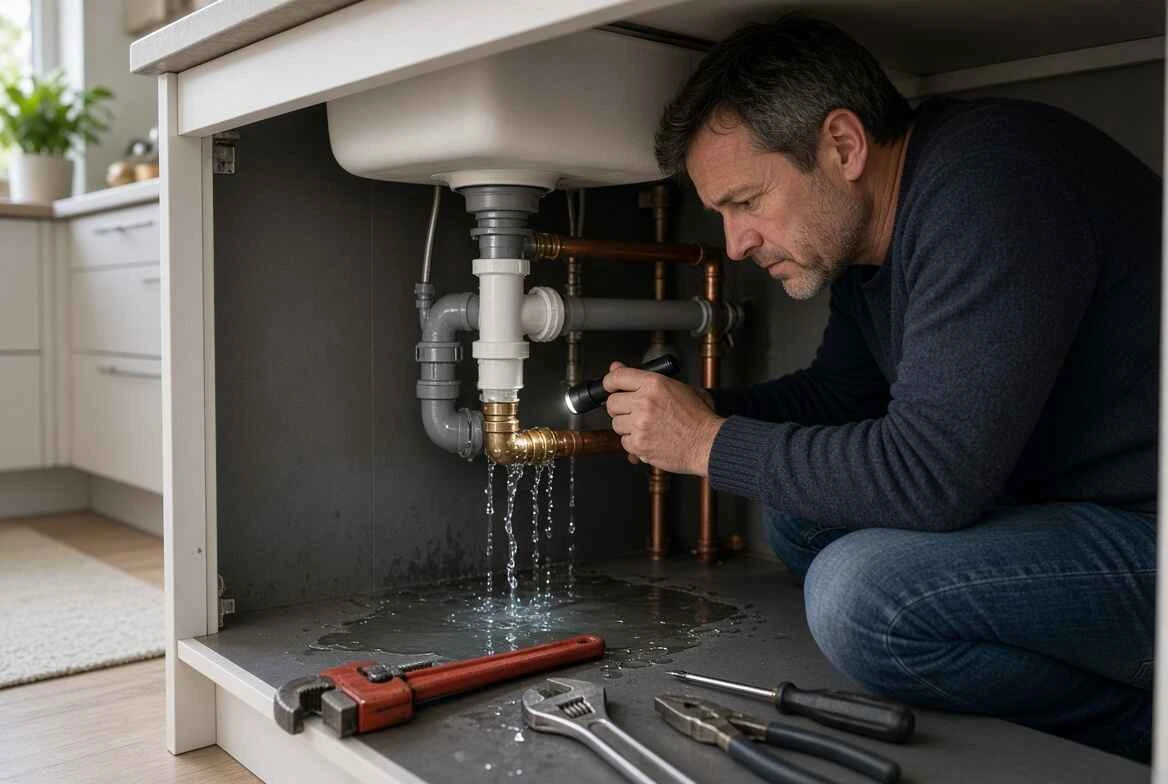
The top plumbing mistakes homeowners make include ignoring small leaks, overtightening fittings, using the wrong tools or replacement parts, pouring harmful substances down drains, and attempting repairs without turning off the water supply first. These mistakes may seem minor at the time, but they can lead to leaks, water damage, blocked drains, damaged fixtures and expensive repairs.
Plumbing problems are frustrating, especially when they happen unexpectedly. It is understandable that many homeowners want to solve a small issue themselves before calling a professional. Some basic tasks can be handled safely, but plumbing systems are more connected and complicated than they appear.
A small mistake under a sink, behind a toilet or inside a bathroom can sometimes create a much bigger problem later.
This guide explains the most common plumbing mistakes homeowners make and what you can do to avoid them.
What Are the Most Common Plumbing Mistakes?
The most common plumbing mistakes include:
- Ignoring small leaks
- Overtightening plumbing connections
- Using the wrong tools
- Choosing incorrect replacement parts
- Forgetting to turn off the water
- Using too many chemical drain cleaners
- Flushing unsuitable items down the toilet
- Pouring grease and food waste down sinks
- Ignoring slow drains
- Attempting complex repairs without professional help
- Neglecting regular plumbing maintenance
- Waiting too long to fix a plumbing problem
Avoiding these mistakes can help protect your home, reduce water waste and prevent unnecessary repair costs.
1. Ignoring Small Leaks
One of the biggest mistakes homeowners make is assuming a small leak is not serious.
A dripping tap, a slow leak under the sink or a toilet that occasionally runs may not seem urgent. However, water can cause damage gradually. A small leak can affect cupboards, flooring, walls and surrounding materials over time.
Some leaks are also hidden. You may not immediately see water coming from the pipe.
Signs You May Have a Hidden Leak
Look out for:
• Damp patches on walls or ceilings
• Unusual mould growth
• A musty smell
• Water stains
• Peeling paint
• Unexpected increases in water bills
• The sound of water when nothing is running
If you notice these warning signs, it is better to investigate the problem early rather than wait for visible damage.
2. Overtightening Plumbing Connections
Many homeowners believe tighter means safer when working with plumbing fittings.
Unfortunately, overtightening can cause damage.
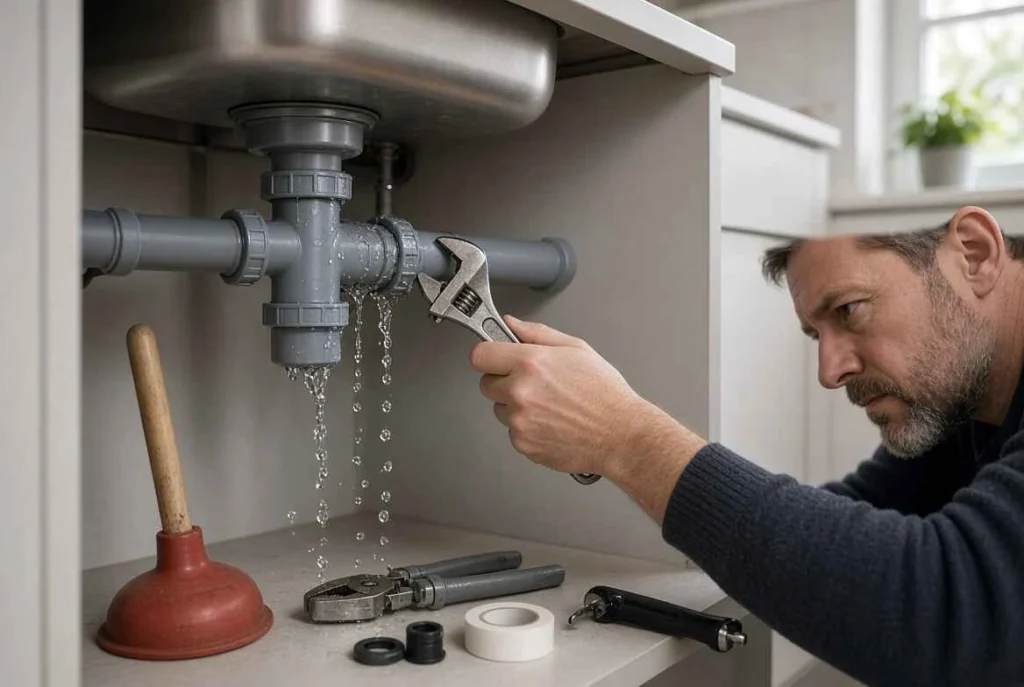
Too much pressure can crack plastic fittings, damage washers, strip threads or place unnecessary stress on pipes and fixtures. A connection that appears secure immediately after installation may develop a leak later.
The goal is not to tighten everything as much as possible. Plumbing connections need the correct fitting method and appropriate pressure.
How to Avoid This Mistake
Use the correct tool and tighten fittings carefully. If you are unsure how much pressure is required, avoid forcing the connection.
If a fitting continues leaking after careful installation, the problem may be a damaged washer, incorrect part or poor connection rather than insufficient tightening.
3. Using the Wrong Tools for Plumbing Repairs
Using whatever tool is available is another common mistake.
Pliers, wrenches and other tools are not interchangeable for every plumbing job. The wrong tool can damage pipework, scratch fixtures, round off fittings or create unnecessary pressure on connections.
A damaged fitting can turn a simple repair into a replacement job.
Before starting any plumbing work, make sure you understand what tools are required.
Basic Plumbing Tools Homeowners May Need
Depending on the job, useful tools may include:
• Adjustable spanner
• Pipe wrench
• Plunger
• Drain snake
• Basin wrench
• Screwdriver
• Bucket
• Towels
• Correct replacement washers or seals
Buying a random tool without understanding how it should be used can still lead to problems.
4. Forgetting to Turn Off the Water
This is one of the fastest ways a simple plumbing repair can become an emergency.
Before removing a tap, disconnecting a pipe or replacing a toilet component, the water supply should be isolated.
Some homeowners assume they can complete the repair quickly without doing this step. However, once a fitting is removed, water can escape immediately.
Before Starting Any Plumbing Repair
Always:
- Locate the correct isolation valve
- Turn off the water supply
- Open the relevant tap if appropriate
- Release any remaining water pressure
- Place a bucket or towels underneath the work area
It is also a good idea to know where your main water shutoff valve is before an emergency occurs.
5. Using the Wrong Replacement Parts
Plumbing parts often look similar, but similar does not always mean compatible.
Using the wrong washer, valve, connector or fitting can cause leaks and poor performance. Materials also matter. Some pipes and fittings require specific products designed for that system.
A replacement part should match the existing plumbing setup.
Before Buying a Replacement Part
Check:
• The size
• The material
• The connection type
• The manufacturer requirements
• Whether it is suitable for your existing system
If you are unsure, taking clear photos or speaking with a professional can help you avoid buying the wrong part.
6. Using Chemical Drain Cleaners Too Often
A blocked or slow drain can be frustrating, and chemical drain cleaners may seem like the easiest solution.
However, repeated use of strong chemicals can be harmful to certain plumbing systems and may not solve the underlying cause of the blockage.
A drain may become blocked because of:
• Hair
• Soap buildup
• Grease
• Food waste
• Foreign objects
• Damaged pipework
• A deeper blockage within the drainage system
Pouring chemicals into the drain repeatedly may delay proper diagnosis.
A Better Approach to Slow Drains
Start by identifying the likely cause.
A plunger or appropriate drain cleaning tool may help with some minor blockages. However, recurring blockages should be investigated properly.
If the same drain keeps blocking, there may be a larger issue that needs professional attention.
7. Pouring Grease Down the Kitchen Sink
Grease may look like a liquid when it is hot, but it can cool and solidify inside the plumbing system.
Over time, grease can collect inside pipes and trap other materials. This can eventually cause a stubborn blockage.
Cooking oil, fat and grease should not simply be washed down the sink.
What Should You Do Instead?
Allow grease to cool and place it in a suitable container before disposing of it properly.
Using a sink strainer can also help prevent food particles from entering the drain.
Small habits in the kitchen can make a big difference to the condition of your drains.
8. Flushing the Wrong Things Down the Toilet
A toilet is designed to handle human waste and toilet paper.
Many plumbing problems begin when unsuitable items are flushed.
Common items that should not be flushed include:
• Wet wipes
• Cotton pads
• Sanitary products
• Paper towels
• Dental floss
• Cotton buds
• Small plastic items
Even products labelled as flushable can contribute to blockages in some plumbing and drainage systems.
The safest approach is simple. If it is not toilet paper or human waste, dispose of it appropriately.
9. Ignoring a Running Toilet
A constantly running toilet is not just annoying.
It can waste water and may indicate a problem with components inside the cistern.
Common causes include issues with:
• Flush valves
• Fill valves
• Toilet floats
• Worn seals
• Internal mechanisms
Some toilet problems can be relatively straightforward to repair. However, continuing to ignore the sound can result in unnecessary water waste.
If your toilet keeps running, it is worth investigating the cause rather than hoping the problem will stop on its own.
10. Ignoring Slow Drains
A slow draining sink, bath or shower is often an early warning sign.
Water may still drain, but a partial blockage could be developing.
Many homeowners wait until the drain becomes completely blocked before taking action.
This can make the problem more inconvenient and sometimes more difficult to resolve.
Common Causes of Slow Drains
Bathroom drains may collect:
• Hair
• Soap residue
• Personal care products
Kitchen drains may collect:
• Grease
• Food particles
• Coffee grounds
Cleaning minor buildup early can help prevent more serious blockages.
11. Using Temporary Fixes for Serious Problems
Temporary solutions can sometimes be useful in an emergency, but they should not replace proper repairs.
For example, placing tape around a leaking pipe may slow water temporarily, but it does not repair the damaged section.
A temporary fix should be treated as temporary.
If there is an active leak, damaged pipe or failing plumbing component, the underlying problem should be addressed properly.
Ignoring the cause can allow water damage to spread.
12. Attempting Complex Plumbing Repairs Without Enough Experience
There is nothing wrong with handling simple maintenance tasks when you understand the work involved.
However, homeowners sometimes underestimate plumbing repairs.
A job that appears simple online may involve:
• Water pressure
• Pipe compatibility
• Drainage requirements
• Hidden connections
• Existing damage
• Electrical components
• Safety considerations
Stopping when you are unsure can prevent a small problem from becoming a costly one.
Plumbing Jobs That May Need Professional Help
Consider calling a professional for:
• Burst pipes
• Hidden leaks
• Major drain blockages
• Water heater problems
• Pipe replacement
• Persistent low water pressure
• Repeated toilet blockages
• Emergency leaks
• Complex bathroom plumbing
Knowing when not to continue is an important part of protecting your home.
13. Neglecting Regular Plumbing Maintenance
Plumbing maintenance is often forgotten until something stops working.
Regular checks can help identify problems before they become emergencies.
Simple Plumbing Checks for Homeowners
Periodically check:
• Pipes under sinks
• Toilet connections
• Taps for drips
• Shower areas for leaks
• Water pressure
• Drain speed
• Signs of dampness
• Visible pipe corrosion
You do not need to dismantle your plumbing system to perform basic checks.
Simply paying attention to unusual changes can help identify issues early.
14. Waiting Too Long to Call a Plumber
Many homeowners delay calling a plumber because they hope the problem will disappear.
Unfortunately, plumbing problems rarely improve without addressing the cause.
A small leak can become water damage.
A slow drain can become a complete blockage.
A minor pipe issue can become an emergency.
Early repairs are often easier than waiting until the problem affects larger areas of the property.
When Is DIY Plumbing Safe?
Basic plumbing tasks can sometimes be suitable for homeowners who are comfortable using the correct tools.
Examples may include:
• Replacing a shower head
• Using a plunger
• Cleaning a sink strainer
• Tightening an accessible fitting carefully
• Replacing simple toilet components when instructions are understood
However, DIY should stop when the repair involves uncertainty, hidden pipework or the risk of significant water damage.
Saving money on a repair is not worthwhile if the result creates a much larger problem.
How to Avoid Plumbing Mistakes at Home
The best way to avoid plumbing mistakes is to take a careful approach.
Before starting a repair:
- Understand the problem
- Identify the correct water supply
- Turn off the water if necessary
- Use suitable tools
- Buy compatible parts
- Avoid forcing connections
- Test the repair carefully
- Watch for leaks afterwards
- Ask for professional help when unsure
A few minutes of preparation can prevent hours of cleanup.
Frequently Asked Questions About Plumbing Mistakes
What is the most common plumbing mistake homeowners make?
Ignoring small leaks is one of the most common plumbing mistakes. Homeowners may assume a small drip is harmless, but ongoing water leaks can cause damage and waste water over time.
Can overtightening plumbing fittings cause leaks?
Yes. Overtightening can damage threads, washers and fittings. This may create leaks immediately or cause problems later.
Should I use chemical drain cleaners?
Chemical drain cleaners should not be relied on as a regular solution for blocked drains. Repeated blockages may indicate an underlying plumbing or drainage problem that needs proper attention.
When should I call a professional plumber?
Call a professional when you have a burst pipe, hidden leak, recurring blockage, major water leak, complex repair or any situation where you are unsure how to proceed safely.
How can I prevent plumbing problems?
Regular inspections, avoiding unsuitable materials in drains and toilets, repairing leaks early and addressing slow drains can help reduce the risk of plumbing problems.
Final Thoughts
The biggest plumbing mistakes homeowners make are often caused by rushing, guessing or ignoring small warning signs.
You do not need to be a plumbing expert to protect your home. Knowing what not to do is often just as important as knowing how to complete a repair.
Pay attention to leaks, slow drains, unusual sounds and changes in your plumbing system. Use the correct tools, avoid forcing fittings and do not continue with a repair when you are unsure.
For homeowners in Crawley, getting professional help early can prevent a small plumbing issue from becoming a much larger and more expensive problem. Plumb Buster can help with plumbing repairs, leak detection, burst pipe repairs, tap repairs and other household plumbing issues.