For most homes, your plumbing should be professionally inspected at least once a year. However, older properties, homes with previous leaks, recurring drainage problems or ageing pipework may benefit from more frequent inspections. Regular plumbing inspections can help identify small problems before they become expensive repairs. A minor leak, worn valve or developing blockage may not seem urgent at first, but leaving it unresolved can eventually lead to water damage, reduced water pressure or disruption to your daily routine. Why Regular Plumbing Inspections Matter Much of your plumbing system is hidden behind walls, beneath floors or inside cupboards. This means a problem can develop without being immediately obvious. A regular inspection gives you an opportunity to identify potential issues before they become more serious. Depending on your property and the condition of the system, an inspection may identify signs of: The earlier a problem is identified, the easier it may be to repair before it affects other parts of the property. How Often Should a Newer Home Have Its Plumbing Inspected? Newer homes with modern plumbing systems and no history of leaks or drainage problems may have fewer issues, but that does not mean inspections are unnecessary. An annual check is still a sensible way to monitor the condition of visible pipes, taps, toilets, valves and other plumbing components. Even relatively new installations can develop minor problems. Flexible connectors can wear, seals can deteriorate and small leaks can develop around fittings. A yearly inspection can provide reassurance that the plumbing system continues to operate as expected. How Often Should Older Plumbing Be Inspected? Older properties often require closer attention. Pipe materials, fittings and valves can deteriorate over time. Previous repairs may also mean that different parts of the plumbing system are at different stages of their working life. If your property has ageing pipework or a history of plumbing problems, more regular professional inspections may be appropriate. You may want an inspection more frequently if you have experienced: The right inspection schedule depends on the actual condition of your plumbing rather than simply the age of the property. What Should You Check Between Professional Plumbing Inspections? You do not need specialist tools to notice some of the early warning signs of a plumbing problem. A simple routine check around your home can help you spot visible issues. Look Under Sinks Check for moisture, water marks or dripping connections beneath kitchen and bathroom sinks. Even a slow leak can gradually damage cupboards and surrounding materials. Check Your Taps A tap that continues dripping after being turned off may have worn internal components. Addressing the problem early can help prevent unnecessary water waste. Watch Your Toilets Look for toilets that continue running, flush poorly or show signs of leaking around the base. These problems may waste water or indicate that a component needs attention. Pay Attention to Drainage A sink, shower or bath that drains slowly may indicate a developing blockage. Recurring drainage problems should not simply be ignored, particularly when more than one fixture is affected. Look for Water Stains Discolouration on ceilings, walls or around plumbing fixtures may indicate moisture or a hidden leak. A professional assessment may be needed to identify the source. Signs Your Plumbing Needs to Be Inspected Sooner You should not always wait until your next planned inspection. Some warning signs suggest that your plumbing should be checked as soon as possible. These include: Unexplained Water Leaks Visible water around pipes, appliances or fixtures should be investigated before further damage occurs. A Sudden Change in Water Pressure A noticeable change in pressure can sometimes indicate a problem with the plumbing system. Multiple Slow Drains One slow drain may be caused by a local blockage. However, when several fixtures are draining poorly, the problem may require further investigation. Unusual Sounds Banging, knocking or persistent noises from pipework can sometimes indicate pressure or mechanical issues. Water Bills That Suddenly Increase An unexpected increase in water use may be worth investigating, particularly if there has been no obvious change in household usage. Persistent Damp or Musty Smells Damp areas and persistent moisture can sometimes point to a leak that is not immediately visible. What Does a Professional Plumbing Inspection Usually Include? The exact inspection will depend on the property and the reason for the visit. A professional plumber may assess visible parts of the plumbing system and investigate any concerns you have noticed. This can include checking: If there is a specific issue, the inspection may focus more closely on identifying its cause. For example, an unexplained leak may require a different approach from a routine maintenance check. Is an Annual Plumbing Inspection Worth It? For many homeowners, yes. Plumbing problems can become more expensive when they are discovered late. A small issue may be easier to repair before it develops into significant water damage or a major failure. An inspection can also help you understand the general condition of your plumbing system. Rather than waiting for something to stop working completely, preventative maintenance allows potential concerns to be identified earlier. Plumb Buster also recommends regular plumbing maintenance and inspections as part of protecting plumbing systems and identifying potential problems before they become more serious. How Often Should Landlords Arrange Plumbing Inspections? Landlords should pay particular attention to the condition of plumbing systems because a fault can affect tenants and potentially cause property damage. The appropriate schedule may depend on the age of the property, the condition of the plumbing and previous maintenance history. Regular checks between tenancies can also provide an opportunity to identify visible problems before new occupants move in. If a property has experienced repeated leaks, drainage problems or plumbing failures, professional assessment may be required more frequently. How Often Should Businesses Inspect Their Plumbing? Businesses and commercial properties may have different plumbing demands from a typical household. Higher usage can place additional pressure on toilets, taps, kitchens and other facilities. A regular maintenance plan can help businesses identify developing problems before they cause unnecessary
Top Plumbing Mistakes Homeowners Make and How to Avoid Them
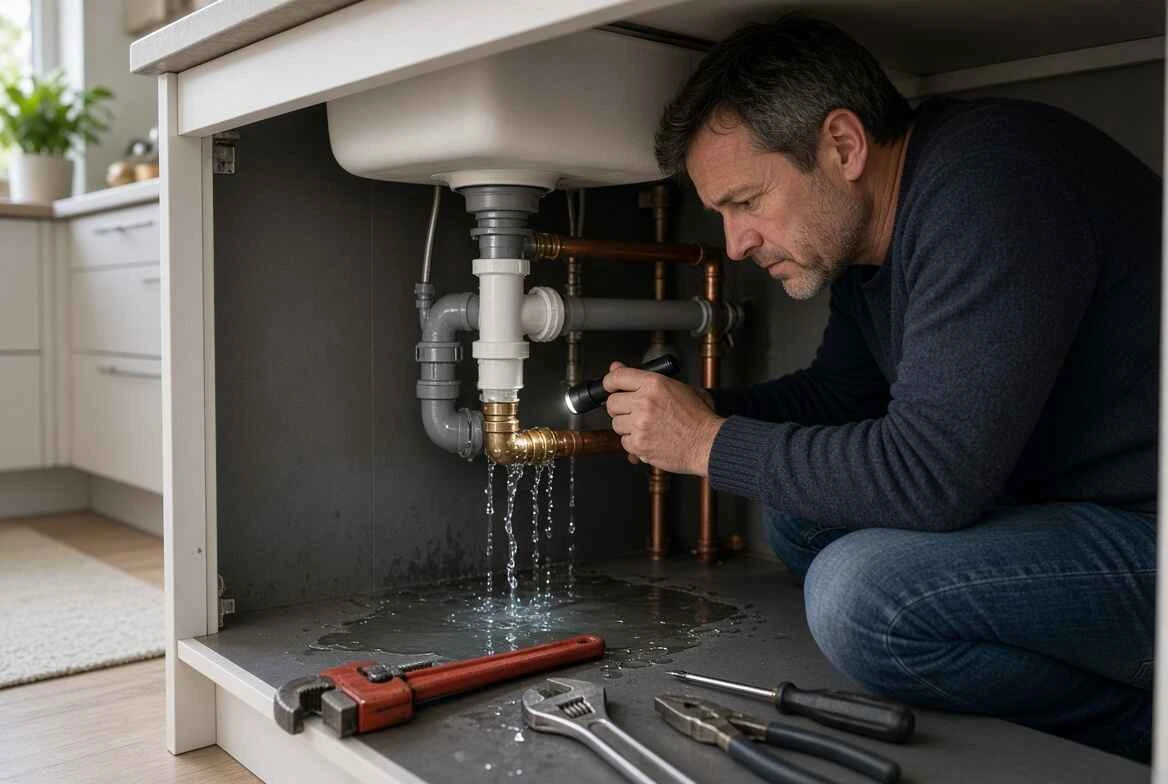
The top plumbing mistakes homeowners make include ignoring small leaks, overtightening fittings, using the wrong tools or replacement parts, pouring harmful substances down drains, and attempting repairs without turning off the water supply first. These mistakes may seem minor at the time, but they can lead to leaks, water damage, blocked drains, damaged fixtures and expensive repairs. Plumbing problems are frustrating, especially when they happen unexpectedly. It is understandable that many homeowners want to solve a small issue themselves before calling a professional. Some basic tasks can be handled safely, but plumbing systems are more connected and complicated than they appear. A small mistake under a sink, behind a toilet or inside a bathroom can sometimes create a much bigger problem later. This guide explains the most common plumbing mistakes homeowners make and what you can do to avoid them. What Are the Most Common Plumbing Mistakes? The most common plumbing mistakes include: Avoiding these mistakes can help protect your home, reduce water waste and prevent unnecessary repair costs. 1. Ignoring Small Leaks One of the biggest mistakes homeowners make is assuming a small leak is not serious. A dripping tap, a slow leak under the sink or a toilet that occasionally runs may not seem urgent. However, water can cause damage gradually. A small leak can affect cupboards, flooring, walls and surrounding materials over time. Some leaks are also hidden. You may not immediately see water coming from the pipe. Signs You May Have a Hidden Leak Look out for: • Damp patches on walls or ceilings• Unusual mould growth• A musty smell• Water stains• Peeling paint• Unexpected increases in water bills• The sound of water when nothing is running If you notice these warning signs, it is better to investigate the problem early rather than wait for visible damage. 2. Overtightening Plumbing Connections Many homeowners believe tighter means safer when working with plumbing fittings. Unfortunately, overtightening can cause damage. Too much pressure can crack plastic fittings, damage washers, strip threads or place unnecessary stress on pipes and fixtures. A connection that appears secure immediately after installation may develop a leak later. The goal is not to tighten everything as much as possible. Plumbing connections need the correct fitting method and appropriate pressure. How to Avoid This Mistake Use the correct tool and tighten fittings carefully. If you are unsure how much pressure is required, avoid forcing the connection. If a fitting continues leaking after careful installation, the problem may be a damaged washer, incorrect part or poor connection rather than insufficient tightening. 3. Using the Wrong Tools for Plumbing Repairs Using whatever tool is available is another common mistake. Pliers, wrenches and other tools are not interchangeable for every plumbing job. The wrong tool can damage pipework, scratch fixtures, round off fittings or create unnecessary pressure on connections. A damaged fitting can turn a simple repair into a replacement job. Before starting any plumbing work, make sure you understand what tools are required. Basic Plumbing Tools Homeowners May Need Depending on the job, useful tools may include: • Adjustable spanner• Pipe wrench• Plunger• Drain snake• Basin wrench• Screwdriver• Bucket• Towels• Correct replacement washers or seals Buying a random tool without understanding how it should be used can still lead to problems. 4. Forgetting to Turn Off the Water This is one of the fastest ways a simple plumbing repair can become an emergency. Before removing a tap, disconnecting a pipe or replacing a toilet component, the water supply should be isolated. Some homeowners assume they can complete the repair quickly without doing this step. However, once a fitting is removed, water can escape immediately. Before Starting Any Plumbing Repair Always: It is also a good idea to know where your main water shutoff valve is before an emergency occurs. 5. Using the Wrong Replacement Parts Plumbing parts often look similar, but similar does not always mean compatible. Using the wrong washer, valve, connector or fitting can cause leaks and poor performance. Materials also matter. Some pipes and fittings require specific products designed for that system. A replacement part should match the existing plumbing setup. Before Buying a Replacement Part Check: • The size• The material• The connection type• The manufacturer requirements• Whether it is suitable for your existing system If you are unsure, taking clear photos or speaking with a professional can help you avoid buying the wrong part. 6. Using Chemical Drain Cleaners Too Often A blocked or slow drain can be frustrating, and chemical drain cleaners may seem like the easiest solution. However, repeated use of strong chemicals can be harmful to certain plumbing systems and may not solve the underlying cause of the blockage. A drain may become blocked because of: • Hair• Soap buildup• Grease• Food waste• Foreign objects• Damaged pipework• A deeper blockage within the drainage system Pouring chemicals into the drain repeatedly may delay proper diagnosis. A Better Approach to Slow Drains Start by identifying the likely cause. A plunger or appropriate drain cleaning tool may help with some minor blockages. However, recurring blockages should be investigated properly. If the same drain keeps blocking, there may be a larger issue that needs professional attention. 7. Pouring Grease Down the Kitchen Sink Grease may look like a liquid when it is hot, but it can cool and solidify inside the plumbing system. Over time, grease can collect inside pipes and trap other materials. This can eventually cause a stubborn blockage. Cooking oil, fat and grease should not simply be washed down the sink. What Should You Do Instead? Allow grease to cool and place it in a suitable container before disposing of it properly. Using a sink strainer can also help prevent food particles from entering the drain. Small habits in the kitchen can make a big difference to the condition of your drains. 8. Flushing the Wrong Things Down the Toilet A toilet is designed to handle human waste and toilet paper. Many plumbing problems begin when unsuitable items are flushed.
Plumbing Maintenance Checklist Every Homeowner Should Follow
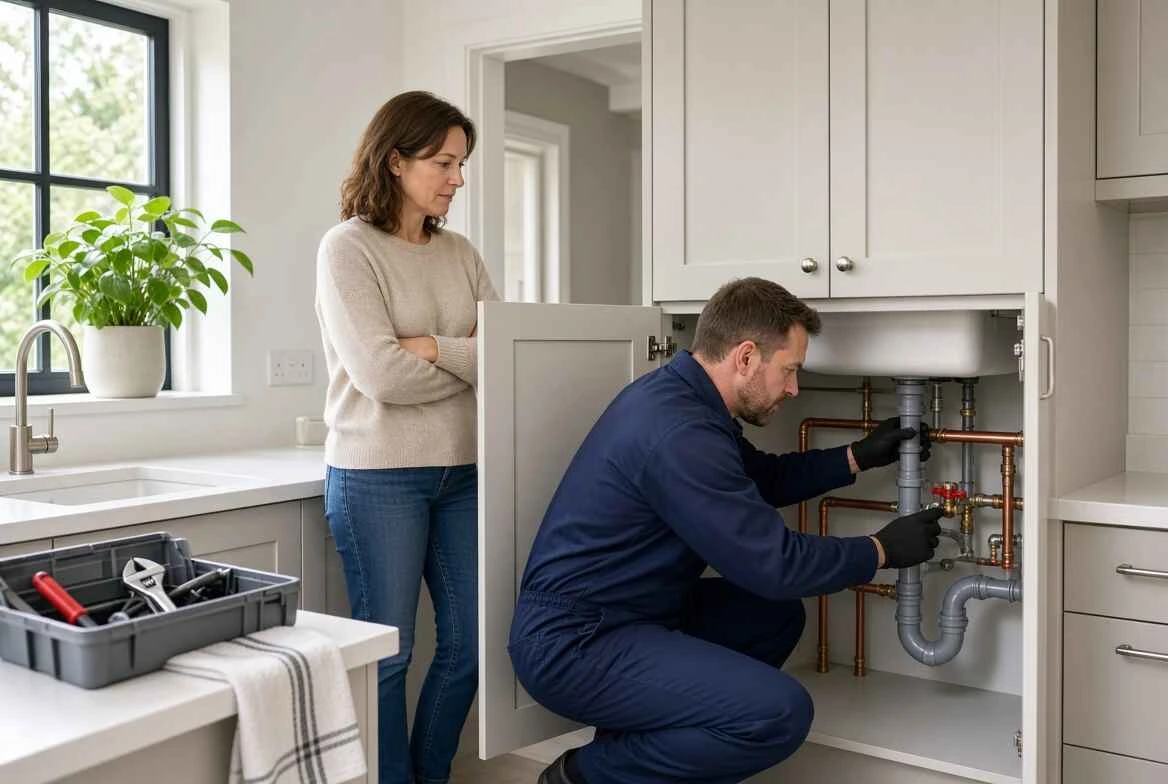
A plumbing maintenance checklist helps homeowners spot small problems before they turn into expensive leaks, blocked drains, water damage, or plumbing emergencies. By checking your pipes, taps, toilets, drains, water pressure, appliances, and shut off valves regularly, you can keep your home plumbing system working efficiently throughout the year. Many plumbing problems do not start with a dramatic burst pipe. They often begin with something much smaller, such as a slow drip under the kitchen sink, a toilet that quietly keeps refilling, or a shower drain that takes a little longer to empty each week. The good news is that homeowners can catch many of these warning signs early. This guide provides a practical home plumbing maintenance checklist organised by frequency, so you know exactly what to check monthly, seasonally, and annually. It also explains when a simple inspection is enough and when it is time to call a professional plumber. Quick Answer: What Should Be on a Plumbing Maintenance Checklist? Every homeowner should regularly: You do not need to spend hours every week maintaining your plumbing. A short routine carried out consistently can help you notice changes before they become serious. Why Regular Plumbing Maintenance Matters Your plumbing system works every day. It supplies clean water to your kitchen, bathroom, shower, washing machine, dishwasher, and other fixtures while safely carrying wastewater away. Because much of the system is hidden behind walls, under floors, or inside cupboards, problems can develop without being immediately obvious. Regular plumbing maintenance can help you: Detect leaks earlier A small leak can gradually damage cupboards, flooring, walls, and other parts of your property. Hidden leaks may also increase your water usage before you realise there is a problem. Reduce the risk of blocked drains Hair, grease, soap residue, food waste, and other debris can gradually restrict water flow. Paying attention to slow drains early can help prevent a complete blockage. Protect plumbing fixtures and appliances Taps, showerheads, shut off valves, washing machine hoses, and water heating equipment can all wear over time. Regular checks make it easier to identify visible deterioration. Avoid unnecessary emergencies Not every plumbing emergency can be prevented. However, recognising warning signs early gives you more opportunity to arrange a repair before a small issue becomes a major disruption. Competitor guides consistently focus on leaks, drains, water pressure, water heaters, valves, appliances, and seasonal protection. This guide takes those useful homeowner topics and organises them into a practical routine with a stronger emphasis on what to look for, why it matters, and when professional assistance is appropriate. Monthly Plumbing Maintenance Checklist A monthly inspection does not need to take long. Choose a regular date and spend a few minutes walking around your home. 1. Check for Visible Leaks Look under: Look for moisture, drips, water stains, corrosion, swelling in wooden cupboards, or unexplained puddles. Pay attention to areas that are normally hidden. A cupboard under the sink may hide a slow leak for weeks or months before obvious damage appears. If you find a small drip, do not simply ignore it because the amount of water seems insignificant. Plumbing issues often become more expensive when water is allowed to continue escaping over a long period. 2. Listen to Your Toilet A toilet should not constantly refill when nobody is using it. Listen for: A toilet that continues running may have an issue with an internal component such as the flush valve, fill valve, or seal.Persistent overflow problems may require professional overflow repair to identify and fix the faulty component. If you are unsure whether your toilet is leaking internally, a simple dye test can sometimes help identify whether water is passing from the cistern into the bowl without flushing. Persistent toilet problems should be inspected and repaired rather than ignored. 3. Check How Quickly Your Drains Empty Run water through your: Look for slow drainage, gurgling, unpleasant smells, or water beginning to back up. A slow drain does not always mean there is an immediate emergency, but it can be an early warning that debris or buildup is restricting water flow. Avoid repeatedly relying on harsh chemical products, especially if the problem continues. Persistent blockages may need professional investigation to identify the underlying cause. 4. Inspect Taps and Showerheads Turn on your taps and showers and check whether the water flow looks consistent. Watch for: Mineral deposits can gradually affect fixtures, particularly in hard water areas. Cleaning removable aerators and showerheads according to the manufacturer’s guidance can help maintain water flow.If a tap continues to drip, leaks around its base, or becomes difficult to operate, professional tap repair and replacement may be the most practical solution. An unexplained increase in water usage can sometimes indicate a hidden plumbing problem. Compare your water usage with previous bills where possible. A sudden change does not automatically mean you have a leak, but it is worth investigating if your household habits have not changed. You should also pay attention to signs such as: Hidden leaks can occur in less obvious areas, including behind toilets, inside cabinets, around appliances, and within parts of the property that are not regularly inspected. Quarterly Plumbing Maintenance Checklist Every few months, spend a little more time checking the parts of your plumbing system that may not receive attention during a quick monthly inspection. 6. Check Your Washing Machine Hoses Inspect accessible washing machine hoses for: A failed appliance hose can release a large amount of water in a short period. If you notice visible damage or deterioration, arrange replacement rather than waiting for the hose to fail. 7. Inspect Dishwasher Connections Check around your dishwasher for signs of moisture. Where safely accessible, inspect the water supply connection and nearby pipework. Also look at the floor surrounding the appliance. A small leak may not always create an obvious puddle because water can travel underneath flooring or cabinets. 8. Clean Kitchen and Bathroom Fixtures Limescale and everyday debris can build up around taps and showerheads. Regular cleaning helps you notice changes
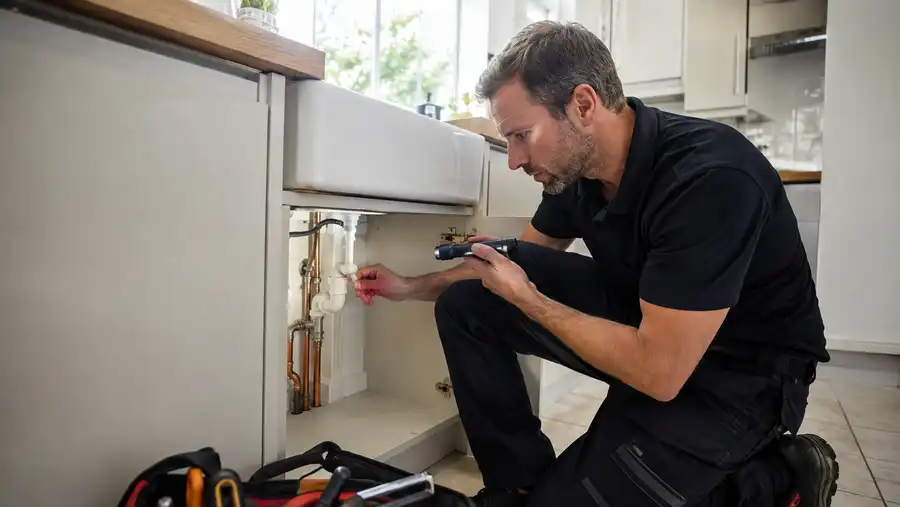
How to Choose the Best Plumber in Crawley West Sussex
Choose the best plumber in Crawley West Sussex by checking their local experience, customer reviews, relevant qualifications, insurance, range of services, emergency response, pricing, and reputation before booking. A reliable plumber should be easy to contact, clear about the work required, and able to explain what needs to be repaired and why. Finding a plumber is easy. Finding the right plumber for your home is more important. Whether you have a leaking tap in Three Bridges, a blocked toilet in Pound Hill, low water pressure in Maidenbower, a burst pipe in Broadfield, or a more serious plumbing emergency, the person you choose can make a significant difference to the cost, quality, and long term result. This guide explains exactly what to look for when choosing a plumber in Crawley and how to avoid common mistakes when comparing local plumbing companies. What Should You Look for in a Plumber in Crawley? A good plumber should have a strong local reputation, relevant experience, appropriate insurance, positive recent reviews, clear communication, and the skills required for your particular plumbing problem. Before choosing a plumber, consider these important factors: Do not choose a plumber based only on the lowest price. The cheapest quote can sometimes become more expensive if the problem is incorrectly diagnosed or the repair has to be repeated. 1. Choose a Plumber Who Knows Crawley Local knowledge can be surprisingly valuable when choosing a plumbing company. A plumber who regularly works in Crawley and the surrounding West Sussex area is likely to understand the types of properties, common plumbing problems, and practical access issues found across the local area. Crawley includes a wide range of residential areas including Maidenbower, Pound Hill, Three Bridges, Broadfield, Bewbush, Tilgate, Furnace Green, Langley Green, Northgate, Southgate, West Green, Ifield and Gossops Green. A genuinely local plumber can also make it easier to arrange appointments and respond to urgent problems. When searching online, look beyond a company simply mentioning Crawley on its website. Check whether its business profile, reviews, service area and previous work demonstrate a genuine connection with the local community. 2. Check Recent Customer Reviews Reviews are one of the quickest ways to understand what a plumbing company is actually like to deal with. Do not look only at the overall star rating. Read the recent written reviews as well. Look for comments about: A large number of reviews can be useful, but recent and detailed feedback is particularly valuable. For example, a review that explains how a plumber diagnosed a water leak, explained the repair, completed the work and left the property clean gives you much more useful information than a simple five star rating. Local plumbing businesses listed on platforms such as Checkatrade often display detailed customer feedback, service categories and information about qualifications or vetting. 3. Check the Plumber’s Qualifications Not every plumbing job requires the same qualifications. For general plumbing work, you should still ask about the plumber’s experience and relevant training. If the work involves gas appliances, gas pipework or other regulated gas work, make sure the engineer is appropriately registered with the Gas Safe Register. Gas Safe registration is particularly important for work involving boilers, gas fires, gas cookers and other gas appliances. Do not assume that because someone describes themselves as a plumber, they are automatically qualified to carry out every type of plumbing or heating work. If your job involves specialist work, ask the plumber directly about their relevant qualifications before allowing the work to begin. 4. Check for Appropriate Insurance Professional plumbing work involves working inside people’s homes and can involve water, heating systems, pipework and expensive fixtures. Ask whether the plumber has appropriate public liability insurance. This provides an additional level of reassurance if accidental damage occurs during work. A reputable plumbing company should be comfortable explaining what insurance cover it has rather than avoiding the question. Insurance is not a substitute for good workmanship, but it is an important part of choosing a professional tradesperson. 5. Make Sure They Offer the Service You Actually Need A plumber may be excellent at one type of work but not specialise in another. Before booking, explain the exact problem. For example, you may need: Ask whether the plumber regularly carries out the specific service you need. This is particularly important for complicated problems where identifying the cause is more important than simply replacing a visible component. 6. Ask About Emergency Plumbing Availability Some plumbing problems cannot wait until the next working day. A burst pipe, serious water leak, overflowing toilet or major loss of water can quickly cause damage to a property. If you are looking for an emergency plumber in Crawley, ask important questions before booking. Is emergency call out available? How quickly can they normally attend? Is there an additional emergency charge? What happens outside normal working hours? Will the plumber explain the cost before starting? A genuine emergency plumbing service should clearly explain how its emergency response works. Do not assume that every business advertising itself as available around the clock will provide the same level of response. 7. Ask for Clear Pricing Price matters, but it should not be the only factor. Before work begins, ask what the price includes. Depending on the job, you may need to understand: For larger jobs, request a written quotation where practical. A professional plumber should be able to explain what is included rather than simply giving you an unexplained figure. Be cautious if a quote appears unusually cheap compared with several other reputable local plumbers. Equally, a high price does not automatically mean better workmanship. The goal is a fair price for competent work. 8. Ask Questions Before Giving Approval You do not need to be a plumbing expert to ask sensible questions. A professional plumber should be willing to explain the problem in straightforward language. Useful questions include: What has caused the problem? What repair do you recommend? Is this an emergency? Can the existing component be repaired? How long should the repair
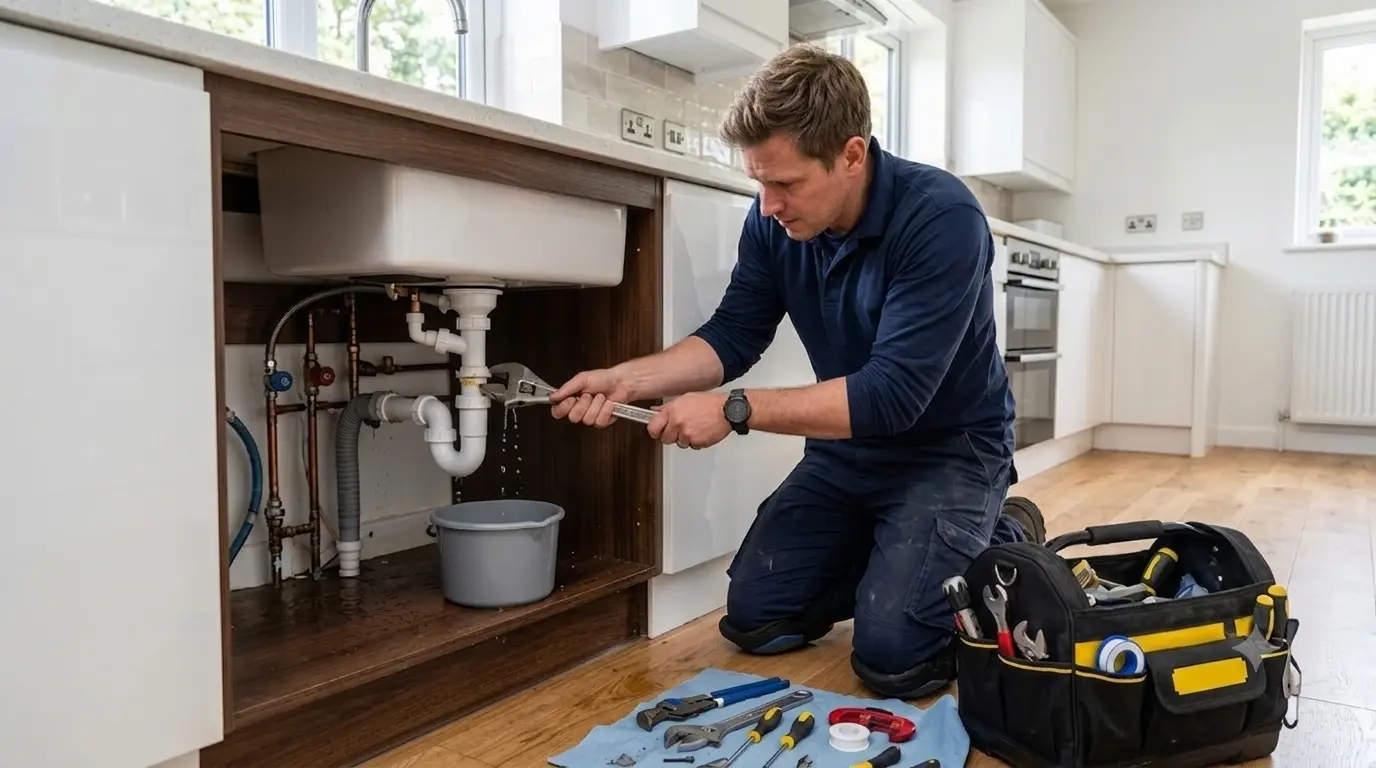
Common Plumbing Problems in Crawley Homes
If you are dealing with low water pressure, leaking pipes, blocked drains, or a faulty boiler, you are facing some of the most common plumbing problems in Crawley homes. These issues often start small but can quickly become expensive if ignored. Regular maintenance and timely repairs can help homeowners avoid water damage, higher utility bills, and emergency call outs. Whether you own a modern property or a period home in Crawley, understanding the causes of common plumbing issues can help you protect your home and keep your plumbing system working efficiently. Why Plumbing Problems Are Common in Crawley Homes Crawley has a mix of older homes, post war properties, and modern developments. Each property type has different plumbing challenges. Older homes may have ageing pipework, while newer homes can still experience drainage issues due to improper usage or installation defects. The local climate also plays a role. Heavy rainfall, changing temperatures, and hard water can affect plumbing systems throughout the year. 1. Leaking Pipes Leaking pipes are one of the most common plumbing problems homeowners experience. Even a small leak can waste hundreds of litres of water over time and lead to structural damage. Common causes Warning signs Ignoring pipe leaks can eventually cause mould growth, timber damage, and expensive repairs. 2. Blocked Drains Blocked drains are another issue frequently reported by homeowners in Crawley. Kitchen sinks, bathroom drains, and external drainage systems can all become blocked over time. Common causes Signs of a blocked drain Professional drain cleaning prevents recurring blockages and helps keep your drainage system flowing properly. 3. Low Water Pressure Low water pressure makes everyday tasks frustrating. Showers become weak, taps run slowly, and appliances may not work efficiently. Possible reasons A qualified plumber can diagnose the exact cause using pressure testing and leak detection equipment. 4. Dripping Taps A dripping tap might seem harmless, but it wastes water every single day. Common reasons Replacing worn parts early can prevent larger plumbing problems later. 5. Running Toilets A toilet that constantly runs wastes significant amounts of water. Causes include Repairing the issue quickly reduces unnecessary water consumption and lowers utility bills. 6. Burst Pipes Burst pipes are among the most serious plumbing emergencies. Why pipes burst Immediate action is essential to minimise water damage. What to do 7. Water Heater Problems Many Crawley homeowners experience hot water issues, particularly during colder months. Common symptoms Routine servicing helps extend the life of your hot water system and improves energy efficiency. 8. Blocked Toilets Blocked toilets are inconvenient and unpleasant. Frequent causes Never flush anything other than toilet paper and human waste. 9. Hidden Water Leaks Not all leaks are visible. Hidden leaks can occur beneath floors, behind walls, or underground. Signs to watch for Modern leak detection equipment allows plumbers to locate leaks without unnecessary damage to your property. 10. Hard Water Problems Crawley is supplied with hard water, which contains naturally occurring minerals such as calcium and magnesium. Hard water can cause Installing a water softener or regularly descaling appliances can reduce these issues. How to Prevent Plumbing Problems Preventative maintenance is always more affordable than emergency repairs. Here are a few practical tips. Simple maintenance can significantly reduce the risk of costly repairs. When Should You Call a Professional Plumber? Some plumbing issues can be handled with basic maintenance, but many require professional expertise. You should contact a qualified plumber if you notice Prompt repairs prevent more extensive property damage and reduce repair costs. Why Choose Plumb Buster for Plumbing Services in Crawley? When plumbing problems arise, choosing an experienced local plumber makes all the difference. Plumb Buster provides reliable plumbing services throughout Crawley with a focus on quality workmanship, transparent pricing, and fast response times. Whether you need emergency plumbing, leak detection, drain clearance, pipe repairs, bathroom plumbing, or routine maintenance, experienced professionals can diagnose the problem quickly and provide long lasting solutions. Our goal is to keep your home’s plumbing system safe, efficient, and reliable throughout the year. Frequently Asked Questions What is the most common plumbing problem in Crawley homes? Blocked drains, leaking pipes, low water pressure, dripping taps, and hidden leaks are among the most common plumbing problems experienced by homeowners in Crawley. How can I tell if I have a hidden water leak? Signs include unusually high water bills, damp walls, mould growth, reduced water pressure, and the sound of running water when no taps are in use. Can hard water damage my plumbing? Yes. Hard water causes limescale buildup inside pipes, boilers, taps, and appliances, reducing efficiency and increasing maintenance costs. How often should plumbing be inspected? A professional plumbing inspection once a year helps identify small issues before they become major repairs. When is a plumbing issue considered an emergency? Burst pipes, severe leaks, overflowing toilets, complete loss of water supply, gas related concerns, or major drainage backups require immediate professional attention. Final Thoughts Common plumbing problems in Crawley homes are often preventable with regular maintenance and early intervention. Issues such as leaking pipes, blocked drains, low water pressure, dripping taps, and hidden leaks should never be ignored, as they can quickly develop into costly repairs. If you notice any warning signs, arranging a professional inspection as soon as possible can save time, money, and stress. Keeping your plumbing system in excellent condition ensures your home remains safe, comfortable, and efficient throughout every season.
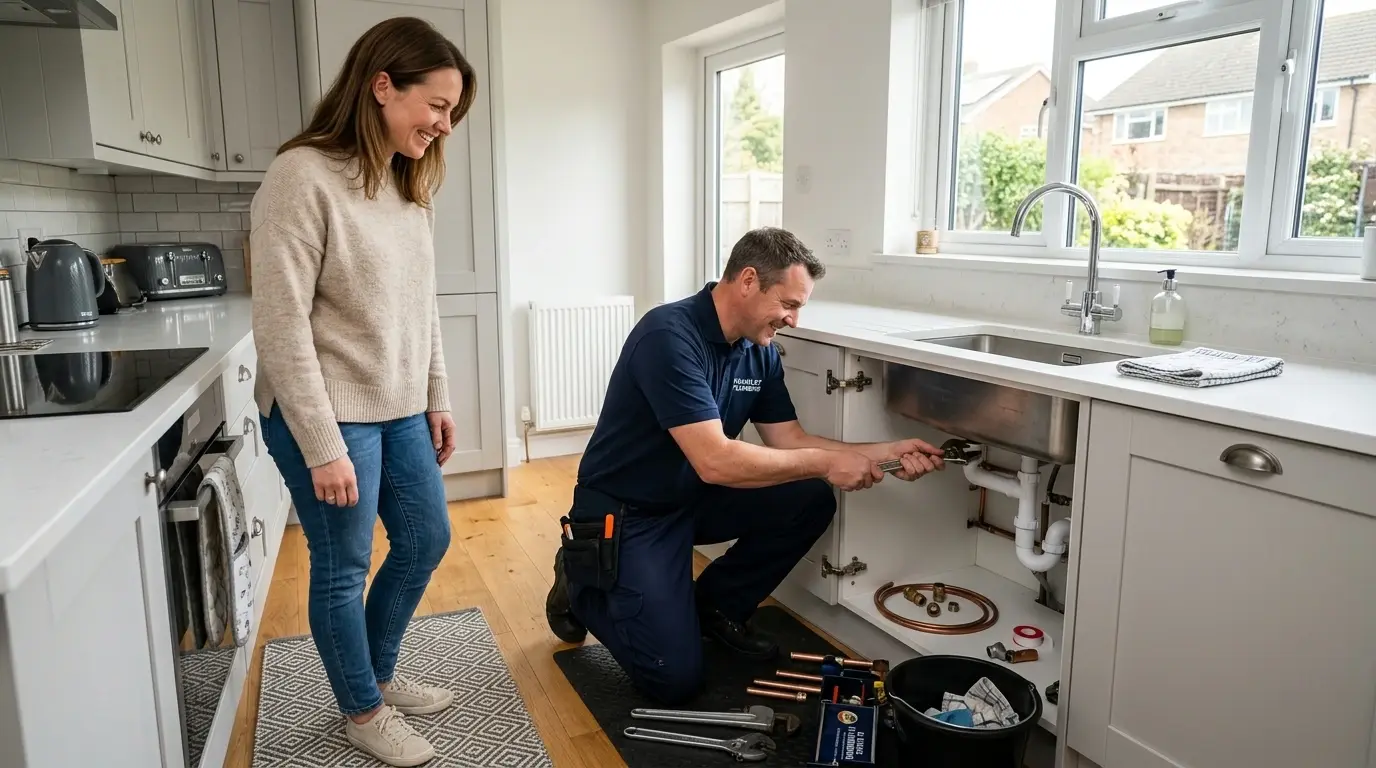
Why Hiring a Professional Plumber in Crawley West Sussex Saves You Money
Yes, hiring a professional plumber in Crawley West Sussex saves you money because it prevents costly repairs, protects your property from water damage, ensures repairs are completed correctly the first time, and helps your plumbing system last longer. While a DIY repair or choosing the cheapest option may seem like a way to save money, it often leads to recurring problems, higher water bills, and expensive emergency repairs. If you own a home or business in Crawley, investing in a qualified local plumber is one of the smartest financial decisions you can make. In this guide, you’ll learn exactly why professional plumbing services offer better long term value and how they can help you avoid unnecessary expenses. Why Professional Plumbing Is a Smart Investment Many homeowners only call a plumber when something goes wrong. Unfortunately, waiting until a small issue becomes a major emergency usually costs far more than dealing with it early. A professional plumber does much more than repair leaks. They inspect your entire plumbing system, identify hidden problems, recommend practical solutions, and help prevent future damage. Professional plumbing services help you: Small Plumbing Problems Can Become Expensive Repairs A dripping tap or a slow leak may not seem serious, but over time these small issues can lead to significant costs. For example: Repairing a minor leak today is far less expensive than replacing damaged plaster, flooring, cabinetry, or insulation later. Professional Leak Detection Saves Money One of the biggest advantages of hiring an experienced plumber is accurate leak detection. Not all leaks are visible. Water pipes may run behind walls, under floors, beneath driveways, or inside ceilings. Without specialist equipment, these hidden leaks often remain unnoticed for weeks or months. Professional plumbers use modern leak detection techniques to locate leaks with minimal disruption, helping homeowners avoid: Finding leaks early almost always costs less than repairing the damage they cause. Correct Repairs Prevent Repeat Problems One of the most common reasons homeowners spend more money is having the same plumbing issue repaired multiple times. Temporary fixes often fail because they only treat the visible symptom rather than the underlying cause. Professional plumbers diagnose the complete problem before carrying out repairs. Instead of simply tightening a leaking joint, they inspect: Fixing the root cause means fewer repeat call outs and lower repair costs in the future. Emergency Plumbing Is More Expensive Emergency plumbing services are essential when serious problems occur, but emergency repairs usually cost more than planned maintenance. Common emergencies include: Regular inspections can identify warning signs before they become emergencies, helping homeowners avoid unexpected repair bills. Lower Water Bills Through Efficient Plumbing Even small plumbing faults can increase your monthly water usage. Examples include: Professional plumbers identify water wastage and recommend efficient fixtures or repairs that reduce consumption. Lower water usage means lower utility bills every month. Professional Installation Protects Your Investment Installing plumbing fixtures incorrectly often leads to leaks, poor performance, or premature failure. Whether installing: Professional installation ensures everything works safely and efficiently from day one. Correct installation also helps many manufacturers’ warranties remain valid. Prevent Water Damage to Your Property Water damage is one of the most expensive problems homeowners face. Even a small leak can affect: Professional plumbing repairs reduce the risk of hidden moisture causing long term structural problems. Protecting your property today can save thousands of pounds in future restoration work. Modern Equipment Improves Accuracy Experienced plumbers use specialist tools that most homeowners do not own. These include: Using advanced equipment allows problems to be identified quickly without unnecessary property damage. This saves both time and money. Plumbing Maintenance Extends System Life Every plumbing system experiences natural wear over time. Routine maintenance helps extend the lifespan of: Replacing an entire plumbing system is significantly more expensive than maintaining it regularly. Avoid DIY Plumbing Mistakes Many online tutorials make plumbing repairs appear simple. However, incorrect DIY repairs frequently create larger problems. Common mistakes include: Professional plumbers have the experience to complete repairs safely and correctly. Why Local Knowledge Matters in Crawley Hiring a local plumber offers additional advantages. A plumber working regularly in Crawley West Sussex understands: This local experience allows faster diagnosis and more effective repairs. Signs You Should Call a Professional Plumber Do not ignore these warning signs: Early action often prevents major repair costs. How Professional Plumbing Protects Property Value A well maintained plumbing system is an important part of any property’s condition. Potential buyers often notice: Maintaining your plumbing helps preserve the value of your home and reduces the likelihood of expensive repairs during a property sale. Why Choose Plumb Buster? If you are looking for a reliable plumber in Crawley West Sussex, choosing an experienced local team gives you confidence that the work will be completed to a high standard. Plumb Buster provides professional plumbing services for homeowners and businesses across Crawley, including: The focus is always on delivering long lasting solutions rather than temporary fixes, helping customers avoid unnecessary future expenses. Frequently Asked Questions Is hiring a professional plumber cheaper than DIY? In many cases, yes. Professional repairs solve the underlying issue correctly the first time, reducing the risk of repeat repairs and costly water damage. How can a plumber reduce my water bills? A plumber can repair leaks, replace faulty fixtures, improve water efficiency, and identify hidden water waste throughout your plumbing system. How often should plumbing be inspected? Most homes benefit from a professional plumbing inspection every year, especially older properties or homes with previous plumbing issues. What is the biggest financial benefit of hiring a professional plumber? Preventing major repairs. Fixing small plumbing issues early is usually much less expensive than repairing extensive water damage or replacing damaged pipework. Final Thoughts Hiring a professional plumber in Crawley West Sussex is not simply about fixing today’s plumbing problem. It is an investment that helps protect your home, lower water bills, prevent emergency repairs, and extend the life of your plumbing system. Whether you need leak detection, emergency plumbing, pipe repairs, or routine maintenance,
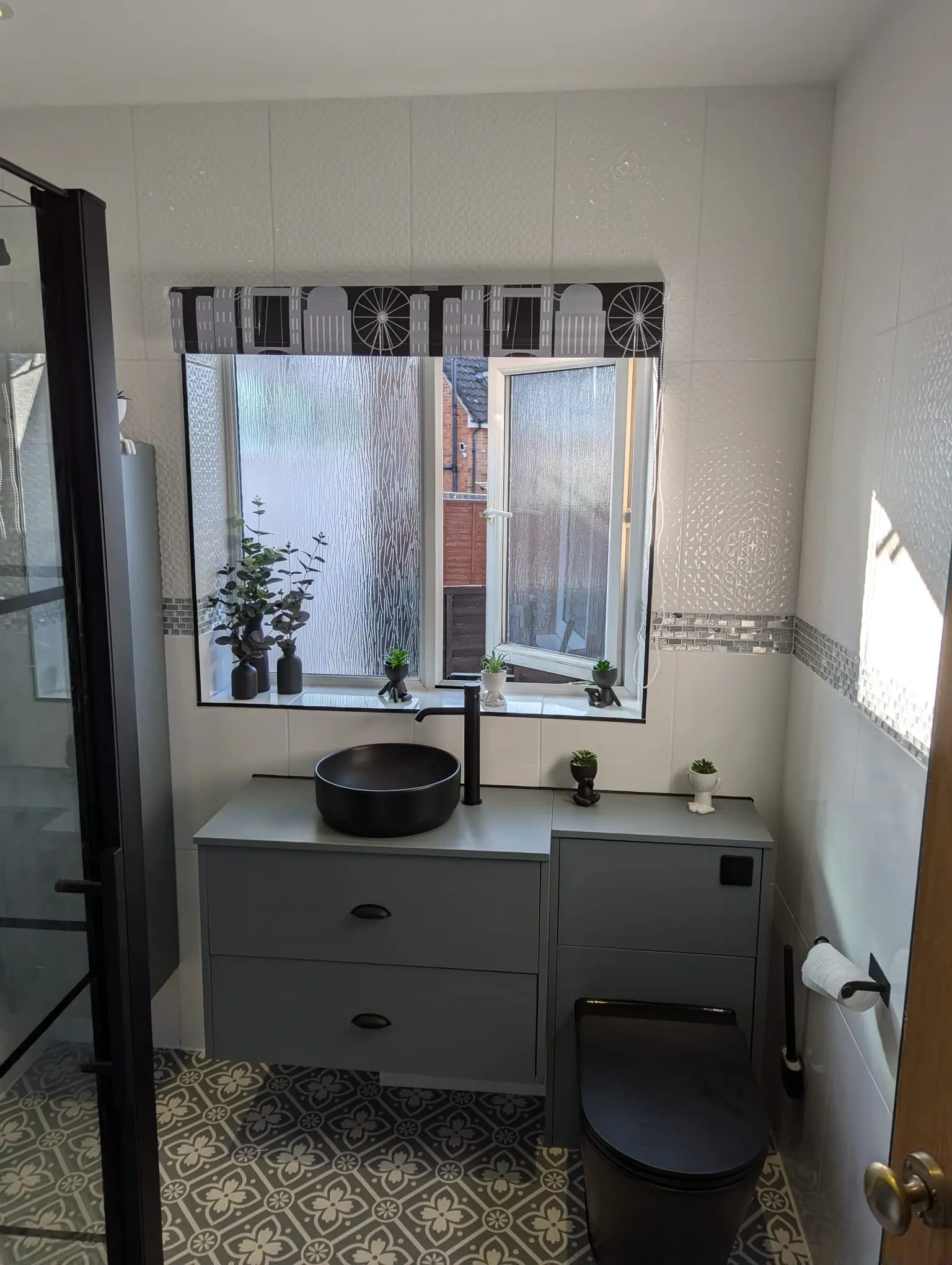
10 Signs Your Bathroom Needs Refurbishment
Your bathroom is one of the most frequently used rooms in your home. Over time, wear and tear, outdated fixtures, and hidden plumbing issues can affect both its appearance and functionality. While minor repairs can solve some problems, there comes a point when a complete bathroom refurbishment becomes the most practical and cost-effective solution. If you’re unsure whether it’s time to upgrade your bathroom, here are ten common signs that indicate your bathroom may need refurbishment. 1. Persistent Leaks and Plumbing Problems Recurring leaks are often a sign of underlying plumbing issues. Whether it’s a leaking toilet, dripping taps, or water stains appearing on walls and ceilings, persistent leaks can lead to structural damage, mould growth, and increased water bills. A bathroom refurbishment provides the perfect opportunity to replace ageing pipework, upgrade fixtures, and address hidden plumbing problems before they become more serious. 2. Cracked or Damaged Tiles Tiles play an important role in protecting your walls and floors from moisture. Cracked, loose, or damaged tiles can allow water to penetrate beneath the surface, potentially causing costly damage to the underlying structure. If your bathroom has multiple damaged tiles or outdated finishes, refurbishment can restore both protection and visual appeal. 3. Mould and Mildew Growth Bathrooms naturally experience high levels of humidity, but excessive mould and mildew indicate poor ventilation or water penetration. Black spots on walls, ceilings, grout lines, or around fixtures should never be ignored. A bathroom refurbishment can improve ventilation, replace damaged materials, and create a healthier environment for your household. 4. Outdated Design and Fixtures Bathroom styles change over time, and a bathroom that looked modern ten or fifteen years ago may now appear dated. Old-fashioned suites, worn fittings, and outdated colour schemes can affect the overall value and appeal of your property. Refurbishing your bathroom allows you to introduce modern fixtures, improved lighting, and contemporary design features that enhance both comfort and aesthetics. 5. Insufficient Storage Space Many older bathrooms were not designed to meet modern storage needs. If toiletries, cleaning products, and personal items are constantly cluttering surfaces, your bathroom may benefit from a redesign. A refurbishment can incorporate practical storage solutions such as vanity units, built-in shelving, and wall-mounted cabinets to maximise available space. 6. Poor Water Pressure Low water pressure can make everyday tasks such as showering and washing frustrating. While water pressure issues can sometimes be resolved through repairs, persistent problems may indicate outdated plumbing systems. During a bathroom refurbishment, plumbing upgrades can help improve water flow and overall performance. 7. Damaged Fixtures and Fittings Worn taps, stained basins, chipped baths, and damaged shower enclosures can make your bathroom look neglected. Even if these fixtures remain functional, visible wear can significantly impact the room’s appearance. Replacing ageing fixtures during refurbishment creates a cleaner, more attractive, and more efficient bathroom. 8. Lack of Energy Efficiency Older bathrooms often contain inefficient toilets, taps, lighting, and showers that waste water and energy. Modern bathroom products are designed to reduce consumption while maintaining excellent performance. A refurbishment allows homeowners to install water-saving fixtures and energy-efficient lighting, helping to lower utility bills over time. 9. Layout No Longer Meets Your Needs Family requirements change over the years. A bathroom that once worked well may now feel cramped, impractical, or difficult to use. Whether you need a larger shower, improved accessibility, or a more family-friendly layout, refurbishment can transform the space to better suit your lifestyle. 10. Your Home’s Value Could Benefit Bathrooms are among the most important rooms that potential buyers consider when viewing a property. An outdated or poorly maintained bathroom can negatively affect buyer interest and property value. A professionally refurbished bathroom can improve your home’s market appeal and potentially increase its value should you decide to sell in the future. Benefits of Refurbishing Your Bathroom A modern bathroom refurbishment offers numerous advantages, including: Investing in a quality bathroom refurbishment not only improves your daily living experience but can also provide long-term financial benefits. Conclusion If you’ve noticed one or more of these signs, it may be time to consider a bathroom refurbishment. Addressing issues early can prevent costly repairs, improve efficiency, and transform your bathroom into a stylish and practical space. Whether you’re looking to modernise an outdated bathroom, improve functionality, or increase your property’s value, a professional bathroom refurbishment can deliver lasting results that you’ll enjoy for years to come. Frequently Asked Questions How do I know if my bathroom needs refurbishment? Common signs include persistent leaks, mould growth, damaged tiles, outdated fixtures, poor water pressure, inadequate storage, and a layout that no longer meets your needs. If your bathroom is showing multiple signs of wear and tear, a refurbishment may be the best solution. How often should a bathroom be refurbished? Most bathrooms benefit from refurbishment every 10 to 15 years, depending on the quality of the original installation, daily usage, and maintenance. However, significant plumbing or structural issues may require earlier renovation. What is included in a bathroom refurbishment? A bathroom refurbishment can include replacing fixtures, installing new tiles, upgrading plumbing, improving lighting, fitting new storage units, redecorating, and redesigning the layout to improve functionality. Is it better to refurbish or replace a bathroom? If the bathroom has outdated fixtures, recurring plumbing problems, or significant wear and tear, a complete refurbishment is often more cost-effective than repeatedly repairing individual components. How long does a bathroom refurbishment take? The duration depends on the size and complexity of the project. Most standard bathroom refurbishments take between one and three weeks, although larger or more complex renovations may take longer. Can a bathroom refurbishment increase property value? Yes. A modern, well-designed bathroom can significantly improve your home’s appeal to potential buyers and may increase the overall value of the property. What are the most common bathroom refurbishment upgrades? Popular upgrades include walk-in showers, modern vanity units, water-efficient toilets, improved lighting, heated towel rails, and contemporary wall and floor tiles. How much does a bathroom refurbishment cost in Crawley? The cost varies depending