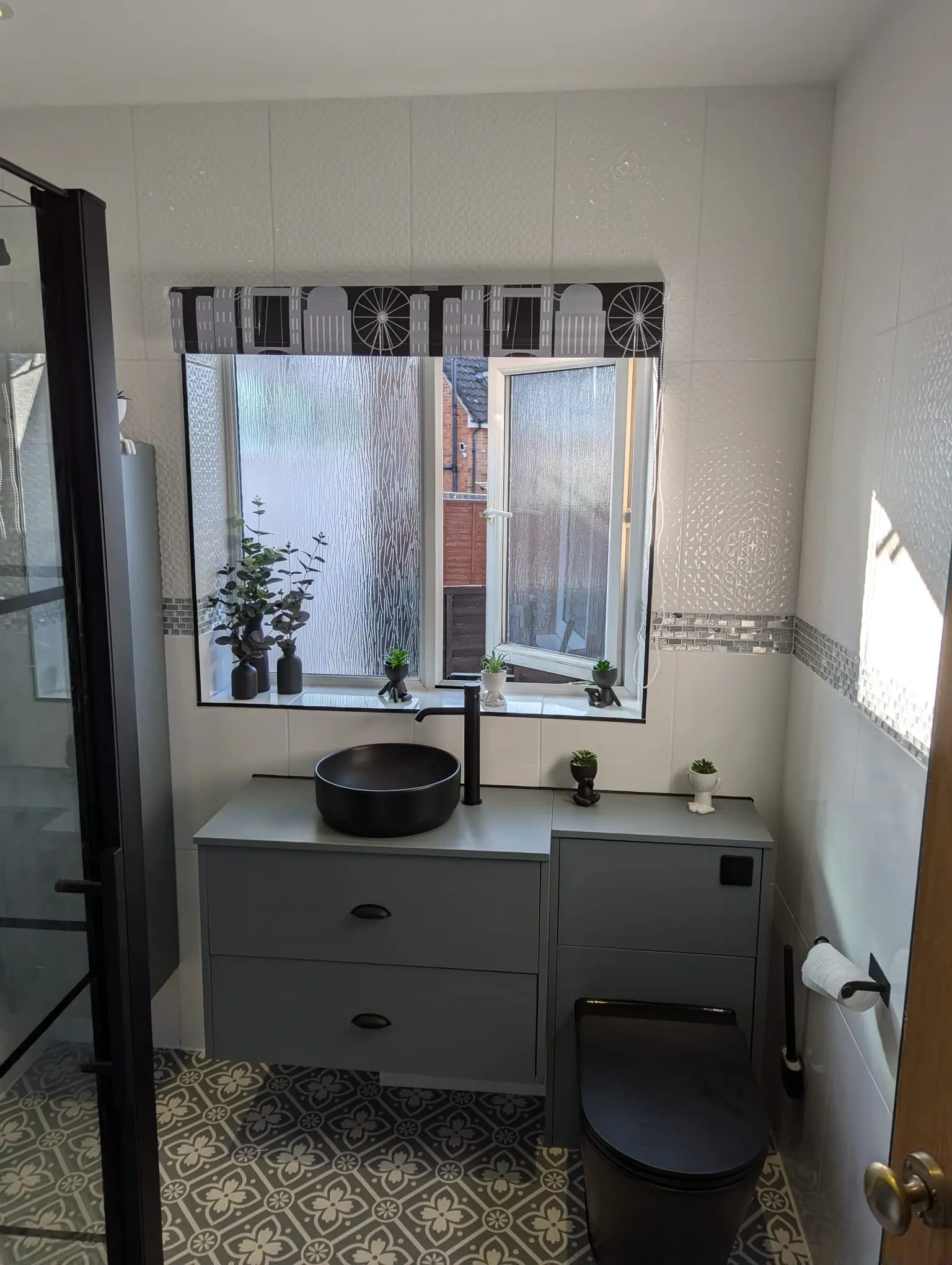
Your bathroom is one of the most frequently used rooms in your home. Over time, wear and tear, outdated fixtures, and hidden plumbing issues can affect both its appearance and functionality. While minor repairs can solve some problems, there comes a point when a complete bathroom refurbishment becomes the most practical and cost-effective solution.
If you’re unsure whether it’s time to upgrade your bathroom, here are ten common signs that indicate your bathroom may need refurbishment.
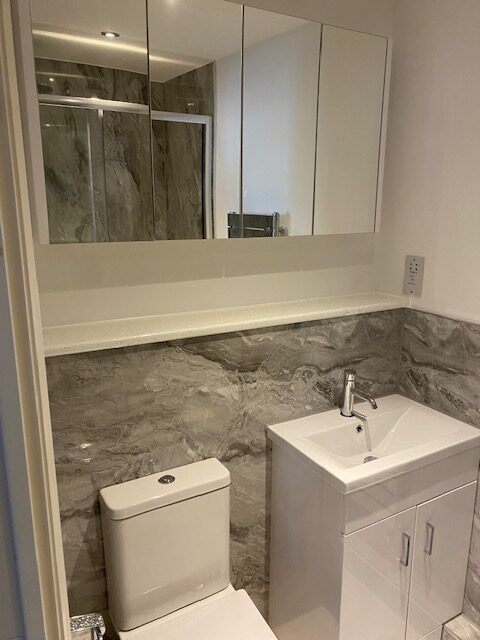
1. Persistent Leaks and Plumbing Problems
Recurring leaks are often a sign of underlying plumbing issues. Whether it’s a leaking toilet, dripping taps, or water stains appearing on walls and ceilings, persistent leaks can lead to structural damage, mould growth, and increased water bills.
A bathroom refurbishment provides the perfect opportunity to replace ageing pipework, upgrade fixtures, and address hidden plumbing problems before they become more serious.
2. Cracked or Damaged Tiles
Tiles play an important role in protecting your walls and floors from moisture. Cracked, loose, or damaged tiles can allow water to penetrate beneath the surface, potentially causing costly damage to the underlying structure.
If your bathroom has multiple damaged tiles or outdated finishes, refurbishment can restore both protection and visual appeal.
3. Mould and Mildew Growth
Bathrooms naturally experience high levels of humidity, but excessive mould and mildew indicate poor ventilation or water penetration. Black spots on walls, ceilings, grout lines, or around fixtures should never be ignored.
A bathroom refurbishment can improve ventilation, replace damaged materials, and create a healthier environment for your household.
4. Outdated Design and Fixtures
Bathroom styles change over time, and a bathroom that looked modern ten or fifteen years ago may now appear dated. Old-fashioned suites, worn fittings, and outdated colour schemes can affect the overall value and appeal of your property.
Refurbishing your bathroom allows you to introduce modern fixtures, improved lighting, and contemporary design features that enhance both comfort and aesthetics.
5. Insufficient Storage Space
Many older bathrooms were not designed to meet modern storage needs. If toiletries, cleaning products, and personal items are constantly cluttering surfaces, your bathroom may benefit from a redesign.
A refurbishment can incorporate practical storage solutions such as vanity units, built-in shelving, and wall-mounted cabinets to maximise available space.
6. Poor Water Pressure
Low water pressure can make everyday tasks such as showering and washing frustrating. While water pressure issues can sometimes be resolved through repairs, persistent problems may indicate outdated plumbing systems.
During a bathroom refurbishment, plumbing upgrades can help improve water flow and overall performance.
7. Damaged Fixtures and Fittings
Worn taps, stained basins, chipped baths, and damaged shower enclosures can make your bathroom look neglected. Even if these fixtures remain functional, visible wear can significantly impact the room’s appearance.
Replacing ageing fixtures during refurbishment creates a cleaner, more attractive, and more efficient bathroom.
8. Lack of Energy Efficiency
Older bathrooms often contain inefficient toilets, taps, lighting, and showers that waste water and energy. Modern bathroom products are designed to reduce consumption while maintaining excellent performance.
A refurbishment allows homeowners to install water-saving fixtures and energy-efficient lighting, helping to lower utility bills over time.
9. Layout No Longer Meets Your Needs
Family requirements change over the years. A bathroom that once worked well may now feel cramped, impractical, or difficult to use.
Whether you need a larger shower, improved accessibility, or a more family-friendly layout, refurbishment can transform the space to better suit your lifestyle.
10. Your Home’s Value Could Benefit
Bathrooms are among the most important rooms that potential buyers consider when viewing a property. An outdated or poorly maintained bathroom can negatively affect buyer interest and property value.
A professionally refurbished bathroom can improve your home’s market appeal and potentially increase its value should you decide to sell in the future.
Benefits of Refurbishing Your Bathroom
A modern bathroom refurbishment offers numerous advantages, including:
- Improved functionality and comfort
- Enhanced property value
- Better energy and water efficiency
- Reduced maintenance costs
- Modern appearance and design
- Improved storage solutions
- Better ventilation and hygiene
Investing in a quality bathroom refurbishment not only improves your daily living experience but can also provide long-term financial benefits.
Conclusion
If you’ve noticed one or more of these signs, it may be time to consider a bathroom refurbishment. Addressing issues early can prevent costly repairs, improve efficiency, and transform your bathroom into a stylish and practical space.
Whether you’re looking to modernise an outdated bathroom, improve functionality, or increase your property’s value, a professional bathroom refurbishment can deliver lasting results that you’ll enjoy for years to come.
Frequently Asked Questions
How do I know if my bathroom needs refurbishment?
Common signs include persistent leaks, mould growth, damaged tiles, outdated fixtures, poor water pressure, inadequate storage, and a layout that no longer meets your needs. If your bathroom is showing multiple signs of wear and tear, a refurbishment may be the best solution.
How often should a bathroom be refurbished?
Most bathrooms benefit from refurbishment every 10 to 15 years, depending on the quality of the original installation, daily usage, and maintenance. However, significant plumbing or structural issues may require earlier renovation.
What is included in a bathroom refurbishment?
A bathroom refurbishment can include replacing fixtures, installing new tiles, upgrading plumbing, improving lighting, fitting new storage units, redecorating, and redesigning the layout to improve functionality.
Is it better to refurbish or replace a bathroom?
If the bathroom has outdated fixtures, recurring plumbing problems, or significant wear and tear, a complete refurbishment is often more cost-effective than repeatedly repairing individual components.
How long does a bathroom refurbishment take?
The duration depends on the size and complexity of the project. Most standard bathroom refurbishments take between one and three weeks, although larger or more complex renovations may take longer.
Can a bathroom refurbishment increase property value?
Yes. A modern, well-designed bathroom can significantly improve your home’s appeal to potential buyers and may increase the overall value of the property.
What are the most common bathroom refurbishment upgrades?
Popular upgrades include walk-in showers, modern vanity units, water-efficient toilets, improved lighting, heated towel rails, and contemporary wall and floor tiles.
How much does a bathroom refurbishment cost in Crawley?
The cost varies depending on the size of the bathroom, materials chosen, and the scope of work. For an accurate quotation, it’s best to consult experienced bathroom refurbishment specialists in Crawley.
Should I fix leaks before refurbishing my bathroom?
Yes. Any leaks or plumbing issues should be identified and repaired before refurbishment begins to prevent future damage and ensure the new installation performs properly.
Who should I hire for a bathroom refurbishment in Crawley?
It’s important to choose experienced bathroom fitters who can manage plumbing, installation, tiling, and finishing work to ensure a high-quality result that complies with current standards.