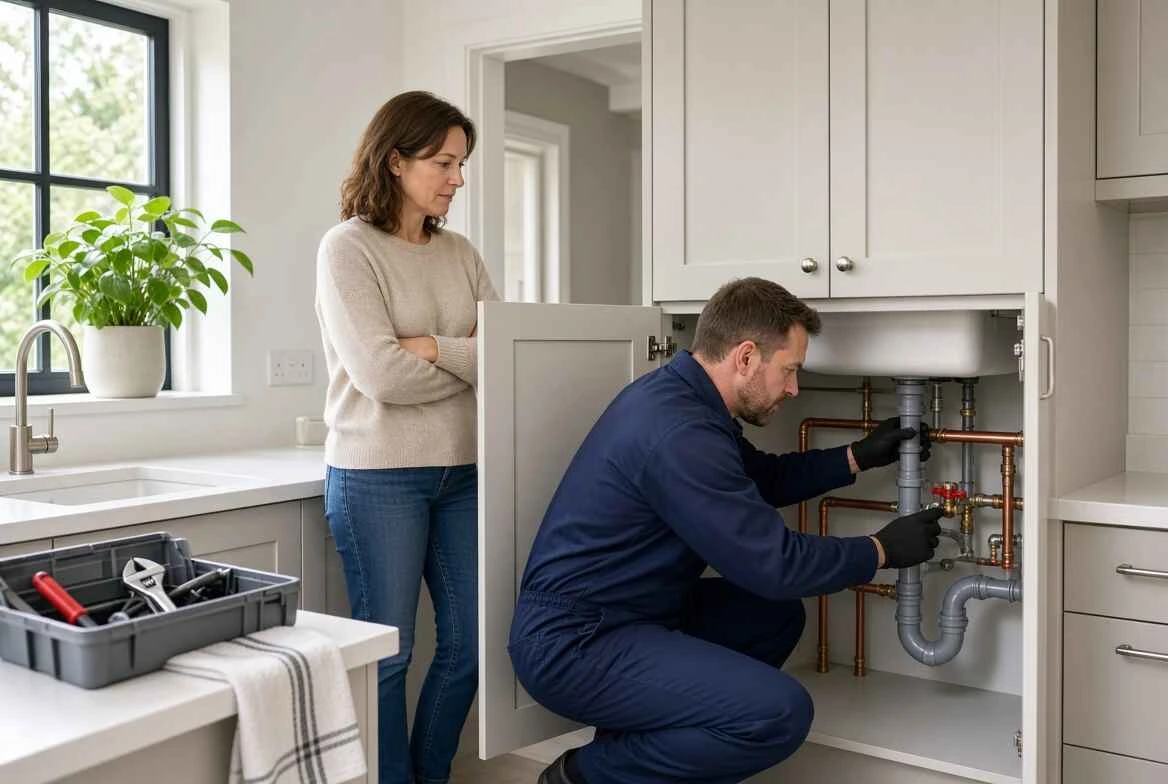
A plumbing maintenance checklist helps homeowners spot small problems before they turn into expensive leaks, blocked drains, water damage, or plumbing emergencies. By checking your pipes, taps, toilets, drains, water pressure, appliances, and shut off valves regularly, you can keep your home plumbing system working efficiently throughout the year.
Many plumbing problems do not start with a dramatic burst pipe. They often begin with something much smaller, such as a slow drip under the kitchen sink, a toilet that quietly keeps refilling, or a shower drain that takes a little longer to empty each week.
The good news is that homeowners can catch many of these warning signs early.
This guide provides a practical home plumbing maintenance checklist organised by frequency, so you know exactly what to check monthly, seasonally, and annually. It also explains when a simple inspection is enough and when it is time to call a professional plumber.
Quick Answer: What Should Be on a Plumbing Maintenance Checklist?
Every homeowner should regularly:
- Check taps, toilets, visible pipes, and appliances for leaks
- Watch for changes in your water bill
- Keep sinks, showers, and other drains flowing freely
- Check for unusual smells coming from drains
- Inspect washing machine and dishwasher connections
- Test accessible shut off valves
- Check water pressure if you notice changes in flow
- Inspect the water heater and its surrounding area
- Run water through rarely used fixtures and drains
- Check exposed pipes for corrosion or damage
- Prepare vulnerable pipes and outdoor plumbing for cold weather
- Arrange professional help for persistent or complex plumbing problems
You do not need to spend hours every week maintaining your plumbing. A short routine carried out consistently can help you notice changes before they become serious.
Why Regular Plumbing Maintenance Matters
Your plumbing system works every day. It supplies clean water to your kitchen, bathroom, shower, washing machine, dishwasher, and other fixtures while safely carrying wastewater away.
Because much of the system is hidden behind walls, under floors, or inside cupboards, problems can develop without being immediately obvious.
Regular plumbing maintenance can help you:
Detect leaks earlier
A small leak can gradually damage cupboards, flooring, walls, and other parts of your property. Hidden leaks may also increase your water usage before you realise there is a problem.
Reduce the risk of blocked drains
Hair, grease, soap residue, food waste, and other debris can gradually restrict water flow. Paying attention to slow drains early can help prevent a complete blockage.
Protect plumbing fixtures and appliances
Taps, showerheads, shut off valves, washing machine hoses, and water heating equipment can all wear over time. Regular checks make it easier to identify visible deterioration.
Avoid unnecessary emergencies
Not every plumbing emergency can be prevented. However, recognising warning signs early gives you more opportunity to arrange a repair before a small issue becomes a major disruption.
Competitor guides consistently focus on leaks, drains, water pressure, water heaters, valves, appliances, and seasonal protection. This guide takes those useful homeowner topics and organises them into a practical routine with a stronger emphasis on what to look for, why it matters, and when professional assistance is appropriate.
Monthly Plumbing Maintenance Checklist
A monthly inspection does not need to take long. Choose a regular date and spend a few minutes walking around your home.
1. Check for Visible Leaks
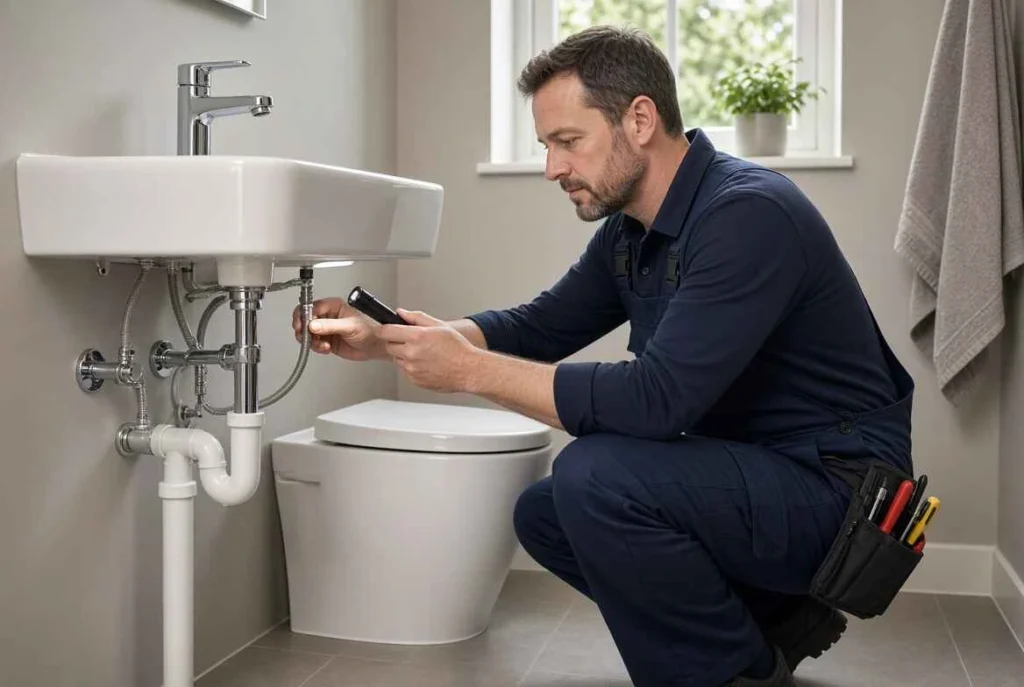
Look under:
- Kitchen sinks
- Bathroom sinks
- Toilets
- Washing machines
- Dishwashers
- Water heating equipment
- Accessible pipework
Look for moisture, drips, water stains, corrosion, swelling in wooden cupboards, or unexplained puddles.
Pay attention to areas that are normally hidden. A cupboard under the sink may hide a slow leak for weeks or months before obvious damage appears.
If you find a small drip, do not simply ignore it because the amount of water seems insignificant. Plumbing issues often become more expensive when water is allowed to continue escaping over a long period.
2. Listen to Your Toilet
A toilet should not constantly refill when nobody is using it.
Listen for:
- Continuous running water
- Intermittent refilling
- Unusual hissing sounds
- Water leaking around the base
A toilet that continues running may have an issue with an internal component such as the flush valve, fill valve, or seal.Persistent overflow problems may require professional overflow repair to identify and fix the faulty component.
If you are unsure whether your toilet is leaking internally, a simple dye test can sometimes help identify whether water is passing from the cistern into the bowl without flushing.
Persistent toilet problems should be inspected and repaired rather than ignored.
3. Check How Quickly Your Drains Empty
Run water through your:
- Kitchen sink
- Bathroom basin
- Shower
- Bath
Look for slow drainage, gurgling, unpleasant smells, or water beginning to back up.
A slow drain does not always mean there is an immediate emergency, but it can be an early warning that debris or buildup is restricting water flow.
Avoid repeatedly relying on harsh chemical products, especially if the problem continues. Persistent blockages may need professional investigation to identify the underlying cause.
4. Inspect Taps and Showerheads
Turn on your taps and showers and check whether the water flow looks consistent.
Watch for:
- Dripping taps
- Water leaking around handles
- Reduced flow
- Uneven spray from showerheads
- Visible limescale buildup
Mineral deposits can gradually affect fixtures, particularly in hard water areas.
Cleaning removable aerators and showerheads according to the manufacturer’s guidance can help maintain water flow.If a tap continues to drip, leaks around its base, or becomes difficult to operate, professional tap repair and replacement may be the most practical solution.
An unexplained increase in water usage can sometimes indicate a hidden plumbing problem.
Compare your water usage with previous bills where possible. A sudden change does not automatically mean you have a leak, but it is worth investigating if your household habits have not changed.
You should also pay attention to signs such as:
- Damp patches
- Mould or mildew
- Peeling paint
- Staining on ceilings or walls
- A persistent sound of running water
Hidden leaks can occur in less obvious areas, including behind toilets, inside cabinets, around appliances, and within parts of the property that are not regularly inspected.
Quarterly Plumbing Maintenance Checklist
Every few months, spend a little more time checking the parts of your plumbing system that may not receive attention during a quick monthly inspection.
6. Check Your Washing Machine Hoses
Inspect accessible washing machine hoses for:
- Cracks
- Bulges
- Corrosion around connections
- Signs of moisture
- Loose fittings
A failed appliance hose can release a large amount of water in a short period.
If you notice visible damage or deterioration, arrange replacement rather than waiting for the hose to fail.
7. Inspect Dishwasher Connections
Check around your dishwasher for signs of moisture.
Where safely accessible, inspect the water supply connection and nearby pipework. Also look at the floor surrounding the appliance.
A small leak may not always create an obvious puddle because water can travel underneath flooring or cabinets.
8. Clean Kitchen and Bathroom Fixtures
Limescale and everyday debris can build up around taps and showerheads.
Regular cleaning helps you notice changes in the condition of the fixture, including damaged seals, reduced water flow, or leaks.
Be careful when removing or dismantling plumbing components. If you are not confident, it is better to seek professional help than risk damaging a fitting.
9. Run Water Through Rarely Used Fixtures
If you have a guest bathroom, utility sink, or other plumbing fixture that is rarely used, run water periodically.
This helps keep water in the trap, which forms a seal designed to reduce odours entering the property from the drainage system.
Floor drains and other infrequently used drainage points may also need occasional attention.
Seasonal Plumbing Maintenance Checklist
Seasonal maintenance is especially important when temperatures change.
For homeowners in Crawley and other parts of the UK, cold weather preparation should be part of a sensible home maintenance routine.
Spring: Check for Winter Damage
When winter has passed, inspect accessible plumbing for signs of damage.
Check:
- Outdoor taps
- Exposed pipes
- Pipe insulation
- Areas where freezing temperatures may have caused damage
Look for small cracks, leaks, or changes in water flow.
Summer: Check Outdoor Plumbing
Warmer weather often means increased use of outdoor taps.
Inspect:
- Outdoor taps
- Hose connections
- Visible garden plumbing
- Signs of leaks around outdoor fixtures
A dripping outdoor tap can be easy to overlook, particularly when it is not used every day.
Autumn: Prepare Your Plumbing for Colder Weather
Before temperatures drop, inspect pipes in vulnerable locations such as:
- Lofts
- Garages
- Utility areas
- External walls
- Other unheated spaces
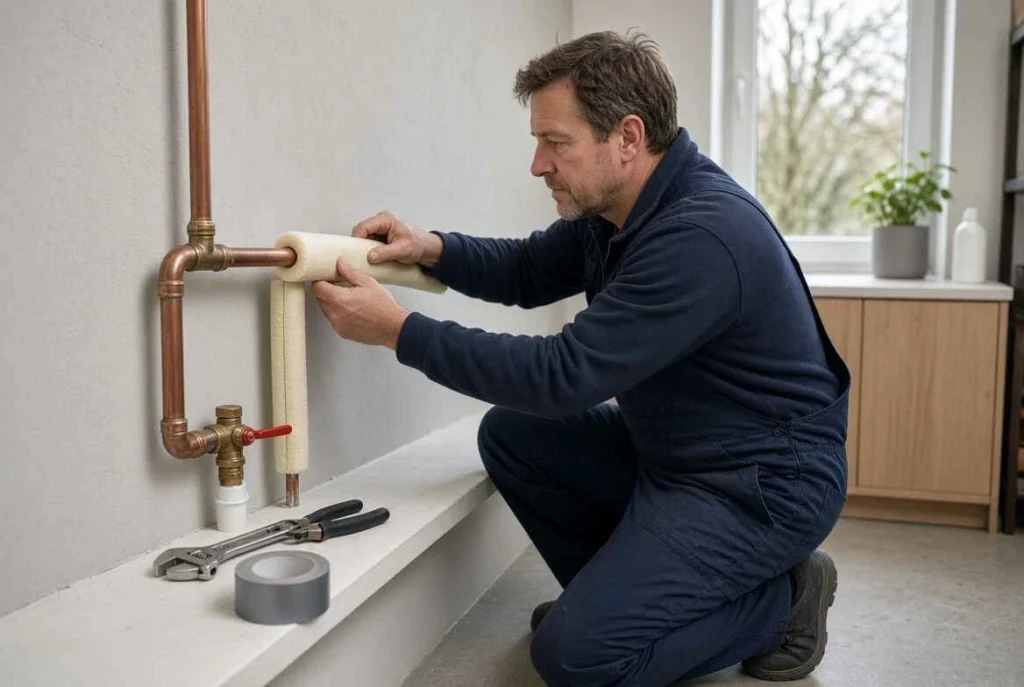
Check whether exposed pipes have suitable insulation where appropriate.
Make sure you also know where your main water shut off valve is located. If a serious leak or burst pipe occurs, shutting off the water supply quickly can help limit damage.
Winter: Protect Pipes From Freezing
Frozen pipes can create significant problems if water inside them expands and damages the pipe.
During periods of severe cold:
- Keep the property appropriately heated
- Check vulnerable areas for cold drafts
- Protect exposed pipework where suitable
- Know how to isolate your water supply
- Address frozen pipe concerns carefully
If you suspect a pipe has frozen or burst, avoid using excessive force or unsafe heating methods. A professional plumber can assess the situation and recommend the safest repair.
Annual Plumbing Maintenance Checklist
At least once a year, carry out a more detailed inspection of your plumbing system.
10. Test Accessible Shut Off Valves
Shut off valves are designed to help isolate water to a particular fixture or appliance.
Depending on the design and condition of your plumbing, valves may be located under sinks, behind toilets, or near appliances.
The important thing is that you know:
- Where your main water shut off valve is
- How to operate it
- Which valves control major fixtures where applicable
Valves that are never used can become difficult to operate. If a valve is stiff, damaged, or leaking, have it assessed before you need it during an emergency.
11. Inspect Exposed Pipes
Look for:
- Corrosion
- Discolouration
- Green or blue deposits around certain fittings
- Rust
- Moisture
- Damaged insulation
Visible changes do not always mean the pipe is about to fail, but they should not be ignored.
If you are concerned about the condition of older pipework, a professional inspection can provide a clearer assessment. For homeowners who need help identifying hidden plumbing problems, leak detection services can help locate potential issues before they cause more extensive damage
12. Review Your Water Pressure
A sudden change in water pressure can indicate several possible issues.
For example, you may notice:
- Weak flow from several fixtures
- Sudden pressure changes
- Unusually forceful water flow
- Vibrating or noisy pipes
Water pressure recommendations vary depending on the plumbing system and property. If you suspect a pressure problem, it is sensible to have the cause investigated rather than simply treating the symptom.
13. Inspect Your Water Heater or Hot Water System
Your hot water system deserves regular attention because it plays an important role in everyday comfort.
Look for:
- Leaks around the unit
- Corrosion
- Unusual noises
- Changes in hot water performance
- Visible moisture around connections
Maintenance requirements vary depending on whether your home has a boiler, hot water cylinder, or another type of system.
Always follow manufacturer instructions and use appropriately qualified professionals for servicing and safety related work. Recent homeowner maintenance guides also emphasise checking water heating equipment and addressing visible leaks or performance changes before they develop into larger problems.
14. Check Caulking and Seals Around Wet Areas
Inspect the seals around:
- Baths
- Showers
- Shower trays
- Bathroom sinks
- Kitchen sinks
Look for cracks, gaps, peeling, or areas where water may be getting behind the fixture.
Water entering through damaged seals can cause hidden damage to walls, floors, and surrounding structures.
If you notice significant water damage or mould, it may be necessary to investigate whether there is an underlying plumbing leak as well.
Plumbing Maintenance by Area of the Home
A room by room inspection can make your maintenance routine easier to follow.
Kitchen Plumbing Checklist
Check:
- Kitchen tap for drips
- Pipework under the sink
- Sink drainage speed
- Shut off valves
- Dishwasher connections
- Washing machine connections if located nearby
- Signs of moisture inside cabinets
Avoid allowing grease, fat, or unsuitable food waste to enter the drainage system.
These materials can contribute to blockages as they build up inside pipes.
Bathroom Plumbing Checklist
Check:
- Basin taps
- Shower
- Bath
- Toilet
- Visible pipework
- Shower and bath drainage
- Seals around wet areas
Pay particular attention to the toilet. A running toilet or water around the base should be investigated promptly.
Utility Room Plumbing Checklist
Check:
- Washing machine hoses
- Appliance connections
- Visible valves
- Floor for signs of moisture
- Nearby drainage points
Appliances should never be ignored simply because they appear to be working normally.
A quick visual inspection can sometimes reveal early signs of hose or connection deterioration.
What Should You Never Put Down the Drain?
Preventive plumbing maintenance is not only about inspections. It also involves being careful about what enters your drainage system.
Avoid putting the following into sinks or toilets:
- Cooking fats and oils
- Large quantities of food waste
- Coffee grounds where they may contribute to buildup
- Wet wipes, including products marketed as flushable
- Paper towels
- Cotton products
- Dental floss
- Other non biodegradable household waste
Toilets are designed for human waste and toilet paper. Sending unsuitable materials through your plumbing increases the risk of blockages.
Common Plumbing Warning Signs You Should Not Ignore
Call a plumber if you notice persistent or worsening problems such as:
Repeated Blockages
A blockage that keeps returning may indicate a problem further inside the drainage system.
Repeatedly treating the same drain without investigating the cause can allow the underlying issue to continue.
Water Stains on Walls or Ceilings
Water staining may indicate a plumbing leak, although other sources of moisture are also possible.
Prompt investigation is important because hidden water damage can worsen over time.
Persistent Low Water Pressure
If water pressure suddenly changes throughout the property, the issue may need professional assessment.
A problem affecting only one tap may have a different cause from a problem affecting multiple fixtures.
Unpleasant Drain Smells
Occasional odours can have simple causes, especially from unused drains.
Persistent sewage smells or repeated odours should be investigated.
Noisy Pipes
Banging, vibrating, whistling, or other unusual plumbing noises may indicate changes in pressure, loose components, or other issues.
Sudden Water Bill Increases
If your usage appears to have increased without an obvious explanation, consider checking for leaks and monitoring your plumbing system more closely.
DIY Plumbing Maintenance vs Calling a Professional
Homeowners can safely carry out many basic maintenance tasks, including visual inspections, checking for leaks, monitoring drainage performance, and identifying where their main water shut off valve is located.
However, some problems are better handled by an experienced professional.
Consider calling a plumber when you have:
- A persistent leak
- Repeated drain blockages
- Signs of hidden water damage
- A suspected problem with the main water supply
- Significant changes in water pressure
- Corroded or damaged pipework
- A plumbing issue you are not confident repairing
- A problem involving major pipework
- A suspected drainage or sewer issue
A good rule is simple: maintenance is about identifying problems early, not attempting a repair that is beyond your experience.
Professional inspections can also help assess parts of the plumbing system that are difficult for homeowners to access or diagnose.
A Simple Annual Plumbing Maintenance Schedule
To make this easier to remember, use the following routine.
Every Month
- Look for visible leaks
- Check toilets for unusual behaviour
- Test drains for slow flow
- Inspect taps and showerheads
- Watch for unexplained changes in water usage
Every Few Months
- Inspect appliance hoses and connections
- Clean fixtures where needed
- Run water through unused drains
- Check for developing moisture or water damage
Before Winter
- Inspect exposed pipework
- Check vulnerable outdoor plumbing
- Review pipe insulation
- Locate your main water shut off valve
Once a Year
- Test accessible shut off valves
- Inspect exposed pipes
- Review water pressure concerns
- Inspect your hot water system
- Check seals around baths, showers, and sinks
- Arrange professional plumbing maintenance if appropriate
Frequently Asked Questions About Plumbing Maintenance
How often should homeowners check their plumbing?
A quick visual inspection once a month is a sensible routine for most homeowners. A more detailed check can be completed seasonally, while an annual review can focus on shut off valves, exposed pipes, water heating equipment, and other important components.
What is the most important plumbing maintenance task?
Checking for leaks is one of the most valuable habits because even a small leak can gradually cause water damage or increase water usage.
You should also pay close attention to persistent drainage problems, changes in water pressure, and unusual toilet behaviour.
How can I tell if I have a hidden water leak?
Possible signs include unexplained increases in water usage, damp patches, mould, peeling paint, water stains, or sounds of water when fixtures are not being used.
Because hidden leaks can occur in areas that are difficult to access, professional investigation may be necessary if the cause is not obvious.
Should I use chemical drain cleaners for regular maintenance?
Regularly using harsh chemical products is not always the best solution for plumbing problems. Follow product instructions carefully and avoid mixing cleaning products.
If a drain repeatedly blocks or drains slowly, identifying the cause is generally more useful than repeatedly applying a temporary treatment.
How do I prevent pipes from freezing?
Protect vulnerable exposed pipes where appropriate, maintain suitable heating during cold conditions, and make sure you know how to shut off the main water supply.
If you suspect frozen or damaged pipes, seek professional advice rather than attempting unsafe methods to thaw them.
Do I need a professional plumbing inspection?
A professional inspection can be particularly useful for older properties, recurring plumbing issues, inaccessible pipework, or concerns about the condition of your system.
Even in a well maintained home, a professional can identify issues that are not obvious during a basic visual inspection.
Final Thoughts
Following a regular plumbing maintenance checklist gives you a better understanding of what is happening inside your home.
You do not need to become a plumbing expert. The goal is to recognise what looks normal, notice when something changes, and deal with small concerns before they have the opportunity to become expensive emergencies.
Check for leaks. Pay attention to slow drains. Inspect appliance connections. Know where your main water shut off valve is. Prepare vulnerable pipes for cold weather. And when a problem is persistent, complex, or outside your experience, contact a qualified professional.
A few minutes of preventive plumbing maintenance can make a real difference to the reliability of your pipes, fixtures, drains, and water systems over the long term.